Items 1–12 31
Item 1, the franchisor
Parents, predecessors, affiliates, and which legal entity you will contract with. A trade name is not a counterparty.
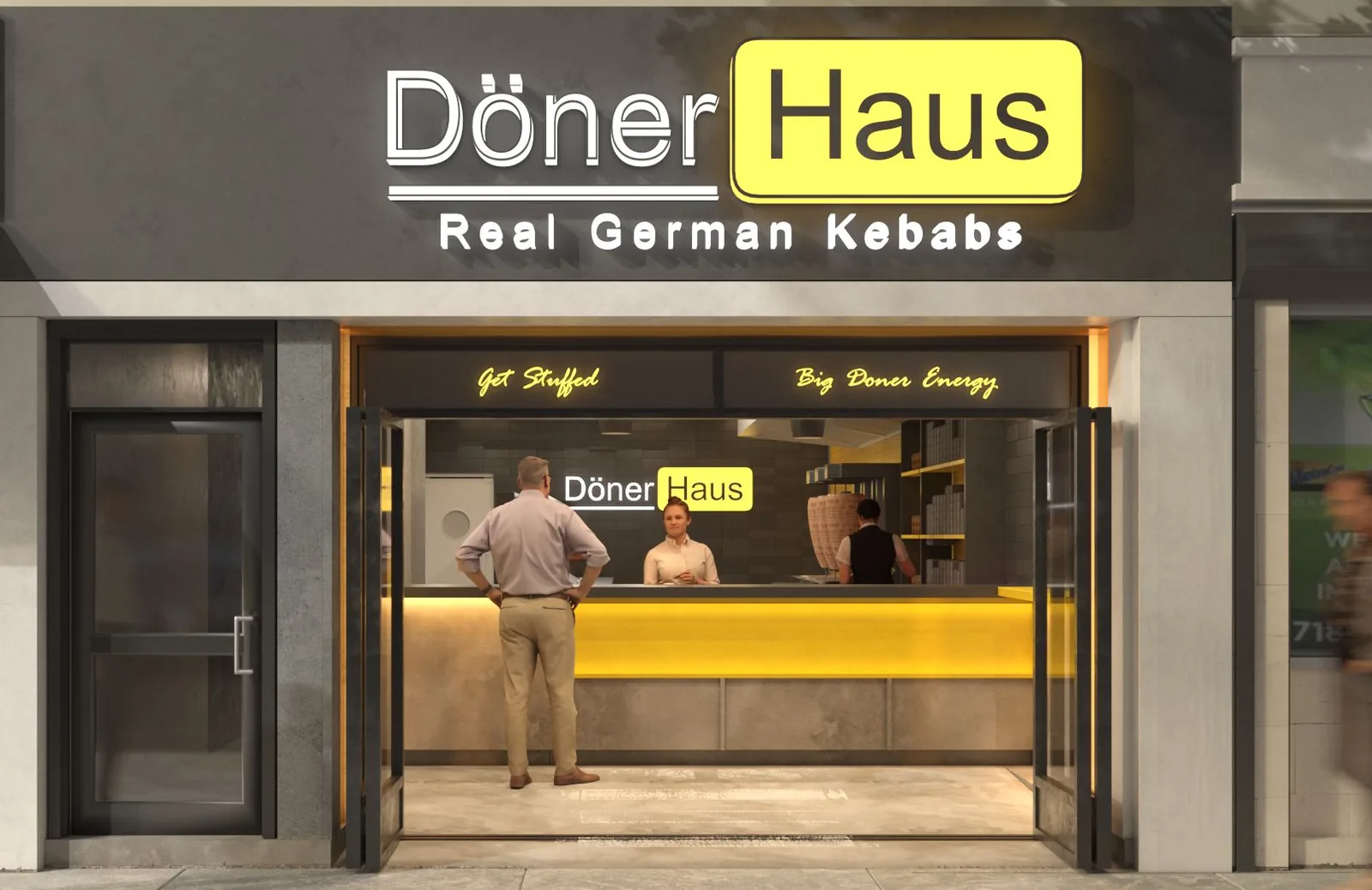
Item 1 is the map of who is selling the franchise. 16 CFR 436.5(a) requires the franchisor to describe itself, any parents, predecessors and affiliates, the business to be conducted, the market, competition, and special laws that apply. Buyers skip it because it looks like letterhead. The rest of the FDD is unintelligible if you have the wrong entity.
Name the counterparty
Write four names on the comparison sheet:
- The legal franchisor on the cover and in Item 1.
- Any parent that owns it.
- Affiliates that will take fees, sell goods, lease software, or operate company stores.
- The trade name on the awning.
If 1 and 4 differ, that is normal. If Item 21’s audited statements are for a thinly capitalized subsidiary while an affiliate runs the restaurants and owns the marks, that is the deal. Item 21 will say whether a parent guarantees the franchisor’s obligations. Item 1 is where you learn to look.
GDK’s FDD issued 3 September 2024 is a US offering out of Auburn Hills, Michigan, for a UK-origin kebab QSR founded (in the US record used here) in 2017. The Halal Guys’ May 2024 comparative record lists Astoria, New York, founded 1990, franchising since 2014. Shah’s Halal Food’s FDD issued 10 April 2024 lists Amityville, New York, founded 2005. Adjacent food, different corporate histories. Item 1 is where those histories are supposed to be told in prose, including predecessors — the entity that used to own the system, or a prior franchisor whose litigation and bankruptcy still have to be disclosed.
Affiliates are the operating story
Company stores in Item 20 are often affiliate-operated. Item 19 samples are often affiliate shops. Item 8 required purchases may be sold by an affiliate. A buyer who reads “the franchisor” as “the brand” will mis-assign all three.
The Great Greek Mediterranean Grill’s FDD issued 17 August 2023 reports Item 19 figures for six affiliate restaurants plus selected franchise restaurants, and its Item 7 low end uses a discounted franchise fee for owners of affiliated brands. “Affiliate” in that filing is doing economic work. 375° Chicken ‘n Fries’s FDD issued 30 April 2024 bases Item 19 on an unaudited income statement for the affiliate that operates the restaurants, with 2023 sales of $3,782,437 across two corporate shops. Mad for Chicken’s FDD issued 12 March 2025 reports revenue for affiliate and franchised outlets against an estate of 10 company and 2 franchised, so the sample is overwhelmingly affiliate. In each case Item 1 should tell you who those affiliates are.
Shah’s Halal Food’s FDD issued 10 April 2024 reported 14 company and 0 franchised outlets among 58, with 44 licensed. Item 1 plus Item 20 together are how a buyer learns that the shops on the street are not a franchisee population.
Item 1 versus Item 20
Counts in the narrative drift. GDK’s 2024 filing claimed nine outlets open by issuance in Item 1, against seven at year-end 2023 in the Item 20 figures used here. That is not automatically a fraud allegation. It is a reconciliation question: which two opened, in what format, and did issuance-date stores enter any Item 19 table that required a full year?
Pepper Lunch’s May 2024 comparative record discloses 6 US units. Item 1 should describe the US franchisor and the scope of the US offering. An international parent with hundreds of shops is context. It is not the Item 20 table. The brand’s own site claims over 500 locations across fifteen countries. Put that claim next to Item 1’s description of the entity you are contracting with, not next to a US unit count as if they were one fact.
Doner Shack’s FDD issued 29 April 2025 is the reverse arrangement: a US franchisor offering since 5 September 2024, with zero US outlets across 2022, 2023 and 2024, while affiliates run three restaurants in the United Kingdom with four more UK franchises in development and the first UK company-owned restaurant open since April 2019. Item 1 is where you separate the entity you would contract with from the estate that supplies the photographs, because an overseas operating record is not the US offering’s history.
Competition and special laws
Item 1 must discuss competition and laws specific to the industry. For these filings that often means food-safety codes, sometimes halal-claim rules, sometimes alcohol if the format sells it. It will not usually name every nearby restaurant. The useful read is whether the franchisor admits it competes with its own affiliates — other brands under the same parent, delivery-only kitchens, grocery products.
Dog Haus’s May 2024 comparative record distinguishes a restaurant royalty of 6% from 4% for a ghost kitchen. Item 1 should explain that the system includes more than one format. If you are buying the dining format, confirm Item 7 and Item 12 match that format, not the ghost-kitchen cousin.
bluTaco’s May 2024 comparative record discloses no initial fee and no royalty rate, with an agreement that runs until either party terminates. Item 1’s description of “the franchise” should make that structure unsurprising. If Item 1 reads like a standard QSR franchise and Item 6 is empty of a royalty, you have a document problem.
Before you leave Item 1
- Copy the legal franchisor, parent, predecessors and fee-taking affiliates.
- Match Item 21’s reporting entity to that list.
- Match company-store and Item 19 populations to named affiliates.
- Put any outlet count in the Item 1 narrative next to Item 20’s year-end table.
- Note format variants (ghost kitchen, express, license vs franchise) so later Items are read against the right one.
- Confirm the offering is a current US franchise with a current document, and ask separately which states it is registered in and whether the franchisor is actively selling.
Wienerschnitzel’s May 2024 comparative record: Irvine, California; founded 1961; franchising since 1965; 323 total outlets. Item 1 of a system that old should be a long predecessor-and-affiliate story. Read it. Age is not a substitute for a clean map of who collects the 5% royalty and 1% brand fund disclosed in that record.
Capriotti’s: Las Vegas, Nevada; founded 1976; franchising since 1991; 145 total. Long history, no protected area in the same record. Item 1’s market-competition paragraph should be read beside Item 12, not instead of it.
Related reading
- Item 2, business experience — the people named around that entity
- Item 21 financials — whose books you are actually reading
- Item 20 outlet tables — the narrative count next to the table
- FDD vs franchise agreement — the preamble must match Item 1
- How to read an FDD — Item 1 as move two
Asked in the field
- Why does the legal name on the cover matter?
- Fees, support and Item 21 financials belong to an entity. A famous mark can sit in an affiliate.